
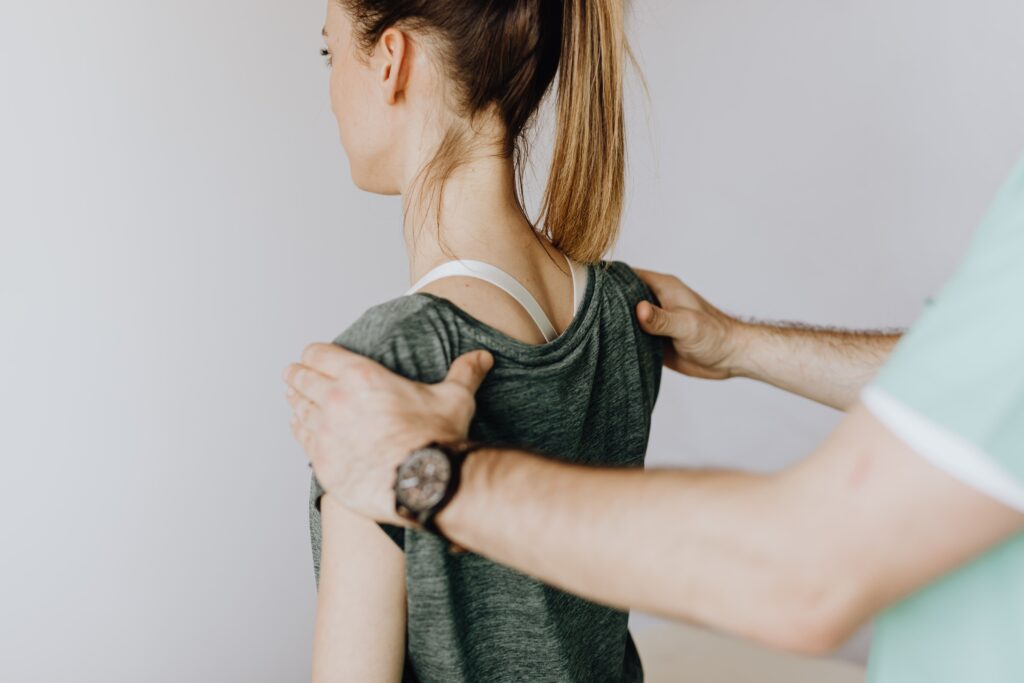
Do you or someone you know have uneven shoulders or hips even when sitting or standing straight? Does one shoulder blade seem more prominent than the other? If these sound familiar, you might be looking at scoliosis.
What’s scoliosis and what can cause it?
Scoliosis is a spinal condition wherein the normally straight spine curves sideways in a “C” or “S” shape, which can be accompanied by symptoms such as:
- the body curving to either side when seen from the front or back
- uneven or tilted shoulders or waistline
- one shoulder blade looks bigger than the other
- one side of the ribcage is pushing forward
- one side of the back poking out when bending forward
There are a few different types of scoliosis:
- idiopathic scoliosis: where the cause is unknown and is the most common form of scoliosis
- congenital scoliosis: scoliosis is a result of the presence of congenital birth defects in the spine
- neuromuscular scoliosis: nerves and muscles that normally support the spine have reduced control
- degenerative scoliosis: occurs later in life due to degeneration of the discs between the vertebrae or arthritis in the joints that link them
Can scoliosis be left untreated?
In mild cases in growing children, observation and regular check ups are recommended while active treatment may not be necessary yet. However, for more severe cases wherein the curvature of the spine is larger or there are other concerning symptoms present, there may be a need for medical intervention earlier on. Scoliosis is progressive and can naturally worsen over time. When left untreated could lead to further complications such as:
- chronic back pain
- nerve compression and/ or pain
- accelerated disc degeneration and spinal stenosis
- headaches and migraines
What are the current available treatment methods for scoliosis?
Treatment for scoliosis depends on factors such as cause, severity of the spinal curve, age of the patient and more. Current specialist treatment methods include back bracing for moderate cases while surgery might be considered for extreme cases.
How can TCM help?
A meta-analysis evaluating clinical effectiveness of TCM interventions for adolescent idiopathic scoliosis showed significant reduction in Cobb angle and increased total effectiveness in improving both structural and clinical outcomes. With high patient compliance, acupressure and acupuncture over a period of time can be a safe and non-invasive alternative to bracing or surgery [1].
- acupuncture: thin needles are inserted along the back to alleviate tension and muscle strain to provide pain relief and improve energy flow
- acupressure (manual therapy): where the physician carries out physical manipulations to relax stressed muscles, reduce muscle imbalances and adjust joint alignment
- fire cupping: negative pressure within the cups draws up the skin and upper layers of fascia to stretch the muscles, improving circulation to the area and reducing stiffness
- herbal medications: will be personalised to the specific areas of concern and can improve the overall efficacy of treatment
Can changing my diet help manage scoliosis?
Changing your diet cannot cure scoliosis but it remains crucial to have a balanced diet to manage symptoms, maintain strength and even improve how well the body responds to medical treatments. Ensure that your diet incorporates:
- calcium (found in dairy and leafy greens): supports bone density and prevents bone loss
- vitamin D (found in fish, egg yolks and fortified cereals): to prevent osteoporosis and enhance calcium absorption
- lean proteins (such as chicken, turkey, white fish, shrimp and legumes): builds and maintains the muscles supporting the spine
- omega-3 fatty acids (found in salmon, mackerel, chia seeds and walnuts): reduces chronic inflammation and joint pain
What else can be done for scoliosis?
Taking a holistic approach to scoliosis can slow its progression and prevent deterioration, protect spinal function and help to manage pain. Low impact activities such as walking or swimming can help to engage muscles on both sides of the body, building strength that helps support the spine while also enhancing coordination and balance. Daoyin: an ancient Chinese system of “guiding and stretching” physical movements, combined with breathing and mental focus to improve health and flexibility could also be beneficial [2]. Regular medical check ups, appropriate physical therapy and strength training paired with lifestyle adjustments, can help keep scoliosis in check. Speak to your physician to find out more